
A coconut seedling planted today can remain productive for decades. For farming communities in Sri Lanka’s Eastern Province, establishing those trees can create a long-term source of income while contributing to the resilience of an agricultural sector that supports livelihoods and industries across the country.
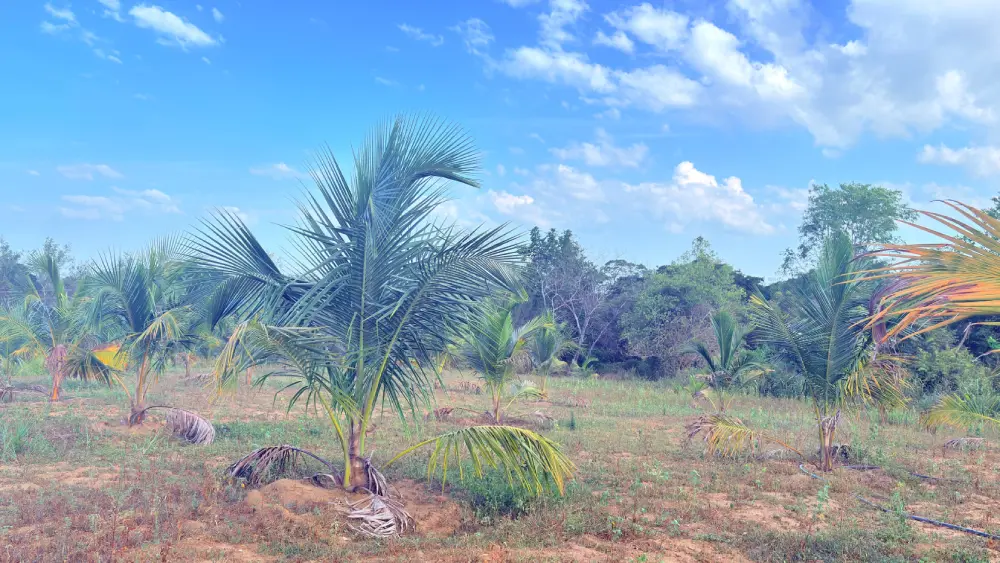
Haycarb PLC, in partnership with the Coconut Cultivation Board (CCB), is expanding coconut cultivation across Batticaloa and Ampara through a structured seedling distribution programme. Since 2025, the initiative has supported 784 farmers across 559 acres, with 35,786 CCB-certified coconut seedlings distributed free of charge. The programme is targeting the distribution of 65,000 seedlings by the end of 2026.
Building on a Proven Partnership
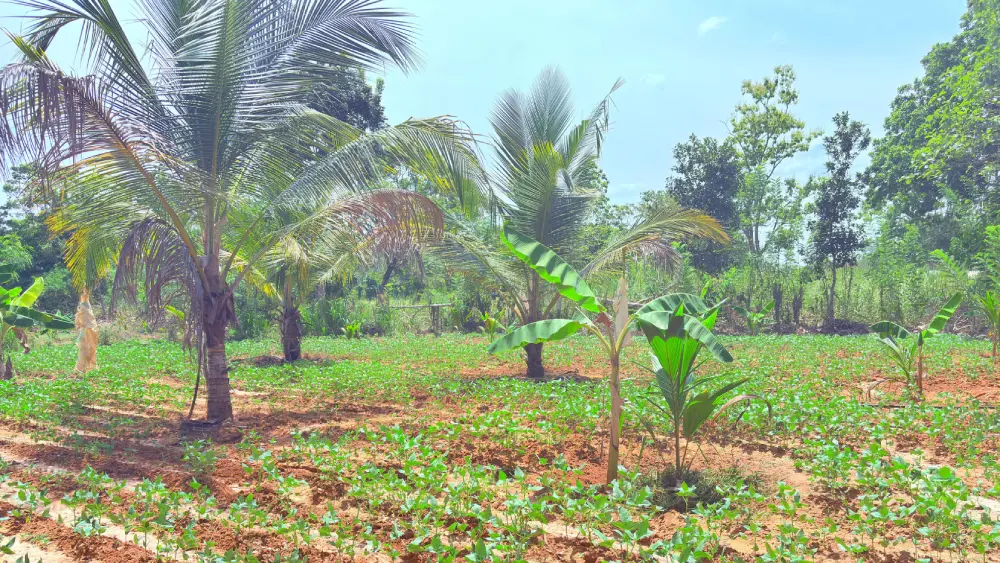
The Eastern Province initiative builds on Haycarb’s collaboration with CCB in Sri Lanka’s Northern Province from 2023 to 2024, where 100,000 seedlings were distributed, recording a survival rate of between 80 and 85 percent. That experience provided a foundation for extending the programme to farming communities in the East. The need extends beyond increasing the number of coconut palms. Farmers in parts of the Eastern Province face water scarcity, climate variability, wildlife pressures and the practical challenges of establishing new cultivation. Field engagement has shown farmers responding with locally appropriate methods, including moisture-retention and soil-improvement practices that support young palms during their early growth. Many are also growing vegetables and fruit alongside their young coconut palms, providing an additional source of income while waiting approximately five years for the coconut trees to begin bearing fruit. Farmers retain full ownership of their harvest and are free to sell to any buyer, with no supply agreement tied to Haycarb.
Combining Local Knowledge with Institutional Support
The partnership brings together farmer knowledge, CCB’s agricultural expertise and Haycarb’s long-term involvement in Sri Lanka’s coconut value chain. CCB regional offices identify eligible farmers through coconut development officers, verify land ownership and readiness, and coordinate the distribution of seedlings. Farmers also receive technical guidance covering fertiliser application, pest management and irrigation, helping them establish and maintain their plantations. Pasted text As Haycarb Managing Director Rajitha Kariyawasan explains, the initiative connects agricultural development with a resource that is fundamental to the industry. “Coconut farming supports thousands of rural livelihoods and is also fundamental to the renewable raw material base on which our industry is built. Our partnership with the Coconut Cultivation Board allows us to combine institutional expertise with direct engagement at the farm level, helping farmers establish productive coconut cultivation while strengthening the resilience of the wider coconut value chain.”
Strengthening the Coconut Value Chain from the Ground Up
For Haycarb, coconut cultivation also has a direct connection to its circular business model. Coconut shell, an agricultural by-product, is the primary raw material used in its activated carbon production. Supporting a productive and resilient coconut sector therefore connects farmer livelihoods with responsible sourcing and the long-term availability of a renewable raw material. The Eastern Province programme shows how collaboration between industry, public institutions and farming communities can address practical agricultural challenges at their source. Rather than focusing only on the number of seedlings distributed, the longer-term measure of progress will be their successful establishment, the livelihoods they support and the resilience they bring to Sri Lanka’s coconut value chain.